Signs Your Glendale Home Has Hidden Water Damage
Musty odors, warped baseboards, and rising water bills are the first clues. Here are the signs your Glendale home has hidden water damage and what to do next.
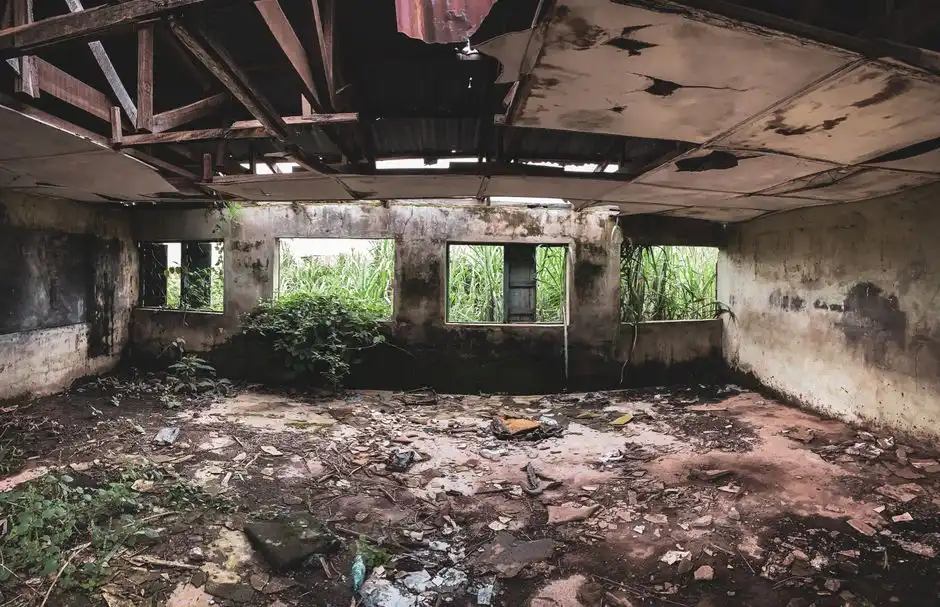
The signs your Glendale home has hidden water damage are almost always the same: a musty smell that won't leave, a baseboard that's soft to the touch, or a water bill that jumped $40 to $80 with no change in habits. Hidden water damage is moisture damage that occurs behind walls, under floors, or inside cabinets where you can't see it until it has already rotted framing, buckled drywall, or fed mold. In Glendale's dry climate, most of it comes from slow supply-line leaks, AC condensate lines, and monsoon-driven roof intrusions. Below we cover the specific signs, what causes them here, and how to detect and fix hidden water damage before it costs you thousands.
What Hidden Water Damage Actually Looks Like
Hidden water damage rarely announces itself with a puddle. It shows up as discoloration, texture changes, and smells. You might press on a wall in your hallway and feel it give slightly. You might notice the paint bubbling near a ceiling corner. Or you might smell something earthy and damp every time you walk into the laundry room.
In Glendale, the desert air dries surfaces fast, which is exactly why hidden leaks go unnoticed. The top layer of drywall dries out while the paper backing and the wood stud behind it stay wet for weeks. By the time you see a stain, the damage has been growing for a month or more.
We see this constantly in homes built between 1975 and 1995, where copper supply lines are now 30 to 50 years old and pinhole leaks are common. A pinhole leak can release 1 to 2 gallons per day inside a wall cavity without ever showing on the floor.
The First Signs Most Glendale Homeowners Miss
These are the hidden water leak signs we find most often when we open up a wall or pull back a cabinet. If you notice two or more, it's time to investigate.
- Musty or earthy odor in one room, especially a bathroom, laundry, or kitchen. If the smell is stronger in the morning, moisture is likely condensing overnight.
- Soft or swollen baseboards. Press a screwdriver into the baseboard. If it sinks in easily, the wood is wet.
- Paint or drywall bubbling. This means water is pushing from behind the surface.
- Warped or cupped hardwood or laminate. Boards lift at the edges when moisture rises from below.
- A water bill increase of 10% or more with no change in usage. A running toilet or a slow leak can add $30 to $90 per month.
- Mold spots in corners, behind furniture, or along ceiling lines. Mold needs 24 to 48 hours of moisture to start growing.
- Staining on ceilings below bathrooms. A faint brown ring means water has been seeping through the subfloor.
One sign alone might be nothing. Two or more together almost always point to an active leak. We tell homeowners to check the baseboards in every room once a season, especially after monsoon season ends in September.
What Causes Hidden Water Damage in Glendale, Arizona Homes
Glendale's climate and housing stock create a specific set of causes you won't see in wetter parts of the country. The biggest ones we repair are:
AC condensate line clogs
Your air conditioner pulls 5 to 15 gallons of water out of the air every day during summer. That water drains through a condensate line that runs from the air handler to a drain or outside. When that line clogs with dust and algae, water backs up into the drain pan, overflows, and soaks the ceiling below. We see this most often in July and August when systems run 12 to 16 hours a day.
Slow supply-line leaks
Copper and galvanized pipes in older Glendale homes develop pinhole leaks from years of hard water. A pinhole leak inside a wall can drip for months before it shows. By then, the drywall, insulation, and sometimes the framing are compromised.
Monsoon roof and window intrusion
From July through September, Glendale gets intense bursts of rain. A single monsoon can push water through a cracked roof flashing, a failed window seal, or a clogged scupper. That water travels along framing and shows up far from the entry point.
Water heater and appliance failures
A water heater tank with a slow seam leak will rust out from the inside. A dishwasher supply line can weep at the connection. A refrigerator ice maker line is a common culprit. These leaks are small enough to evaporate on the surface but large enough to rot the cabinet floor over 6 to 12 months.
If you're planning a renovation and want to address old plumbing before it fails, our team handles Residential General Contractor Glendale AZ projects that include moisture inspection and repair as part of the scope.
How Do I Know If My Glendale AZ Home Has Water Damage?
You know your Glendale AZ home has water damage when you find two or more of these: a musty smell that returns after cleaning, a water bill that rose more than 10% without explanation, soft or stained baseboards, or visible mold in a room that hasn't had a recent spill. A moisture meter reading above 16% on drywall or wood confirms active moisture. You can buy a basic pin-type meter for $30 to $60 at any hardware store. Press the pins into the drywall near a suspected area. If the reading is above 16%, you have a leak. If it's above 20%, the material is saturated and likely needs to be replaced.
For a more thorough check, shut off every water fixture in the house and watch your water meter. If the low-flow indicator (usually a small triangle or dial) is still moving, you have a leak somewhere in the system. That test takes 10 minutes and costs nothing.
How to Detect Hidden Water Damage in Glendale AZ
Detection is a process of elimination. Here's how we walk through it on a service call, and how you can do a basic version yourself.
- Check the water meter with everything off. If it moves, you have a supply-side leak. If it doesn't, the leak is on the drain side or from outside.
- Inspect under every sink and behind every toilet. Look for staining, warped cabinet floors, or a faint drip. Run your hand along the supply line and shut-off valve.
- Look at the ceiling below bathrooms and the AC air handler. Brown rings, bubbling paint, or a sagging patch mean water is coming from above.
- Use a moisture meter on baseboards, drywall, and subfloor. Compare readings in suspect areas to a known-dry area. A difference of 5% or more is a red flag.
- Check the roof from the attic side after a monsoon. Look for daylight, dark staining on rafters, or damp insulation. A roof leak often shows in the attic before it shows on the ceiling.
- Smell the air in closed rooms. A musty odor that gets stronger when the room is closed up points to hidden moisture.
If you find a leak but aren't sure how far the damage goes, we can help. Our team handles General Contractor Near Me Glendale AZ calls for moisture inspections and repairs, and we'll tell you exactly what's wet and what needs to come out.
For homeowners in older neighborhoods like General Contractor in Downtown Glendale, we often find original 1950s plumbing behind kitchen and bathroom walls. Those homes need a closer look because the pipes are at the end of their service life. If you're already planning a kitchen or bath update, our Kitchen And Bathroom Remodeling Glendale AZ service includes opening walls and replacing compromised plumbing before new finishes go in.
Common Mistakes Homeowners Make
The biggest mistake is painting over a stain. That traps moisture and hides the problem until the drywall fails. We've pulled down walls where three coats of paint were hiding active mold.
The second mistake is assuming a small leak will stop on its own. It won't. A pinhole leak only gets bigger. A condensate clog only gets worse. A roof flashing leak will return with the next storm.
The third mistake is running a dehumidifier and calling it fixed. A dehumidifier pulls moisture from the air, not from inside a wall cavity. The wood studs and insulation stay wet. You need to find and stop the source, then dry the cavity.
The fourth mistake is ignoring the water bill. A $50 increase over two months is easy to write off as seasonal. But that's 3,000 to 6,000 gallons of water that went somewhere. If it went into your walls, you have a problem.
When to Call a Professional
Call a professional when you find active moisture, visible mold, or a leak you can't trace. We handle the whole job: find the leak, fix it, dry the cavity, replace damaged drywall and insulation, and repair the finish. You don't need to coordinate three different trades.
We also step in when a leak has compromised structural framing. If a floor feels spongy or a door sticks after a leak, the subfloor or framing may be damaged. That's not a DIY fix.
RiseCore Builders is a local General Contractor serving Glendale and the West Valley. We've worked in homes across General Contractor in Chevy Chase and other Glendale neighborhoods, and we know where these leaks hide. If you're not sure whether you have a problem, call us and we'll take a look.
Frequently Asked Questions
What are signs your Glendale home has hidden water damage?
The most common signs are a musty odor, soft or stained baseboards, bubbling paint, warped flooring, and a water bill increase of 10% or more. Two or more together usually mean an active leak. A moisture meter reading above 16% on drywall confirms it.
How do I know if my Glendale AZ home has water damage?
Shut off all water fixtures and check your water meter. If the low-flow indicator moves, you have a leak. Then check baseboards, ceilings below bathrooms, and under sinks for staining or softness. A $30 moisture meter gives you a definitive reading in minutes.
What causes hidden water damage in Glendale, Arizona homes?
The top causes are AC condensate line clogs, pinhole leaks in aging copper pipes, monsoon roof and window intrusion, and slow appliance leaks. Glendale's dry air hides the moisture on the surface while it damages the wood and drywall behind it.
How to fix hidden water damage in Glendale?
Fix the leak first, then dry the cavity. That means opening the wall or ceiling, removing wet insulation and drywall, running air movers and a dehumidifier for 3 to 5 days, then replacing damaged materials. Most repairs take 2 to 7 days depending on how far the moisture spread.
How much does hidden water damage repair cost in Glendale?
Typical 2026 pricing in Glendale runs $500 to $1,500 for a small leak repair with minor drywall work, $1,500 to $4,000 for moderate damage with mold treatment, and $4,000 to $12,000 or more if framing or subfloor needs replacement. The leak source and how long it's been active drive the cost.
Get Help with General Contractor in Glendale
If you've spotted any of these signs, don't wait for the next monsoon or the next water bill. We'll find the leak, fix it, and repair the damage so your home is dry and solid again. Call RiseCore Builders at (623) 469-2452 and we'll schedule a moisture inspection at your Glendale home.